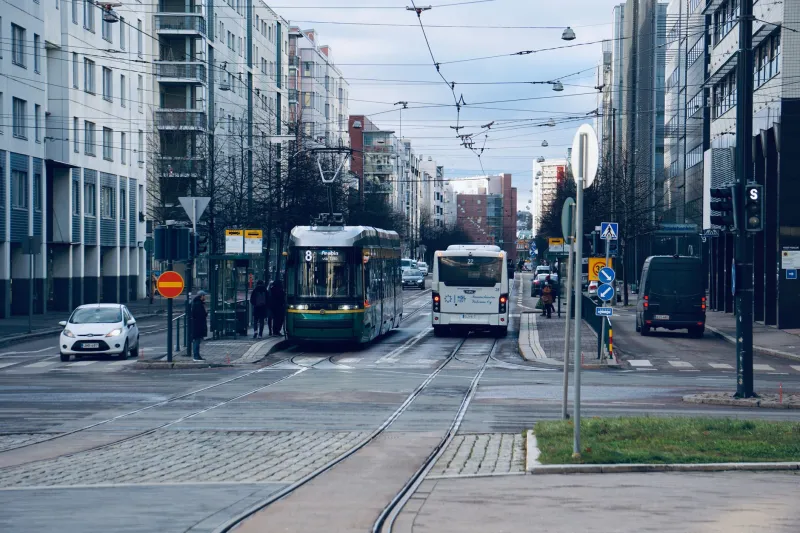
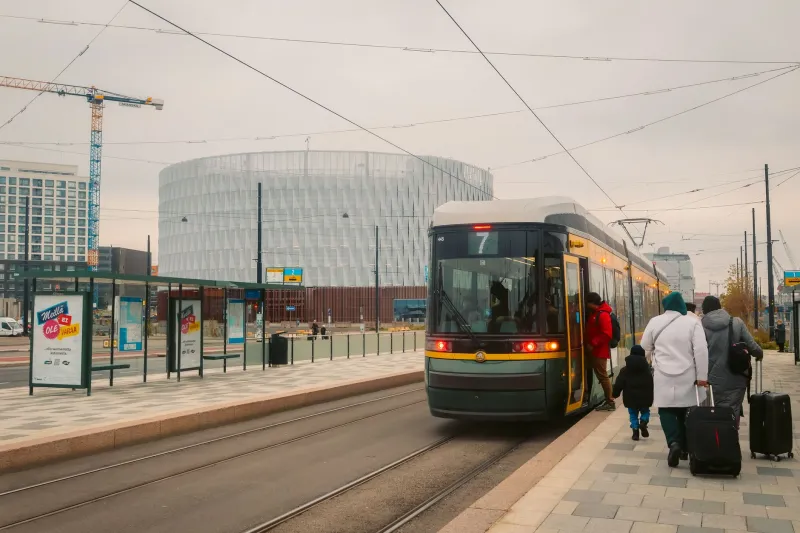
The $60K Bus Driver Secret: How Paying Transit Workers Well Actually Costs Tampere Less

Here's a number that might stop an American transit administrator cold: bus drivers in Tampere, Finland earn roughly $60,000 USD per year in total compensation. Benefits included. Pension included. Reasonable hours included.
For context, the median bus driver salary in the United States hovers somewhere between $45,000 and $52,000 annually — and that's before you account for the wide regional variation, the agencies that pay far less, and the benefits packages that have been quietly gutted over the past decade. In cities like Houston, Memphis, and even parts of Chicago, transit agencies are bleeding drivers faster than they can hire them.
So why is Tampere — a mid-sized Finnish city of about 250,000 people — paying more, and somehow coming out ahead financially? The answer involves a concept that American transit planners tend to undervalue: the true cost of losing a worker.
What Turnover Actually Costs a Transit Agency
When a bus driver quits, the expense doesn't end with their final paycheck. Transit agencies absorb recruiting costs, background checks, medical screenings, and the lengthy process of commercial driver's license verification. Then comes training — typically eight to twelve weeks of supervised instruction before a new driver ever operates a revenue route alone. Industry estimates suggest replacing a single transit worker costs somewhere between $10,000 and $15,000 when you factor in all of it.
Now multiply that by the turnover rates some US agencies are dealing with. Several major American transit systems reported annual driver turnover rates exceeding 20 percent in recent years. For an agency with 500 drivers, that's potentially 100 replacements per year — a recurring expense that quietly drains budgets while also degrading service quality.
Tampere's turnover picture looks dramatically different. The city's transit workforce is stable, experienced, and — by most accounts — relatively content. Drivers stay. Institutional knowledge accumulates. Routes run on schedule because the person behind the wheel has driven them hundreds of times, not dozens.
Experienced Drivers Are Better Drivers (Obviously, But Still)
This part sounds almost too simple, but it's worth saying plainly: drivers who've been on the job for five or ten years are just better at it. They know the timing quirks of specific intersections. They can read passenger flow patterns at busy stops. They handle delays with the kind of calm that only comes from having seen every possible scenario play out before.
In Tampere, it's not unusual for drivers to spend their entire careers with the same transit operator. That kind of tenure builds competence that no training manual can replicate. It also means fewer accidents, fewer passenger complaints, and fewer service disruptions caused by human error.
For US riders who've experienced the particular frustration of a bus that's late, driven erratically, or operated by someone who clearly isn't sure where the route ends — the value of experience isn't abstract. It's felt on every commute.
The Recruitment Advantage Nobody Talks About
When Tampere posts a transit driver opening, it's a competitive position. People want it. The wages are fair, the job is stable, and working for the public transit system carries a certain civic dignity in Finnish culture that hasn't been eroded the way it has in parts of the US.
American transit agencies, by contrast, often find themselves competing poorly against ride-share companies, delivery services, and other driving-adjacent gigs that offer more flexibility (if not more security). The result is a shallow talent pool and a workforce that sometimes treats transit driving as a placeholder job rather than a career.
When a job is worth keeping, people keep it. That's not a radical insight — it's just math that American transit budgets have been slow to do.
What About the Upfront Cost?
Fair question. Paying drivers more does cost more per paycheck. Tampere's model isn't free, and Finnish public transit is subsidized through a tax structure that most American cities don't have direct access to. That's a real constraint, not a talking point to dismiss.
But American transit agencies are also already spending enormous amounts of money — just in the wrong places. Perpetual recruiting cycles, overtime pay to cover driver shortages, service cuts that drive away riders and reduce fare revenue, and the reputational damage of unreliable service all carry price tags that don't show up neatly in a salary line item.
Some US transit advocates have started making exactly this argument: that the chronic underfunding of transit worker wages is a false economy. You save $10,000 per driver per year in salary, then spend $12,000 replacing them when they leave. The math doesn't work, and the service suffers in ways that compound over time.
A Workforce That Feels Like Part of the System
One thing that stands out when you talk to people familiar with Tampere's transit operations is how integrated the drivers feel within the broader system. They're not contractors. They're not gig workers clocking in and out of an app. They're employees with institutional stakes in making the service work well.
That kind of buy-in is hard to quantify but easy to observe. Drivers who care about their jobs communicate better with dispatchers. They flag mechanical issues earlier. They treat passengers with more patience. These aren't personality traits — they're behaviors that correlate strongly with job satisfaction and economic security.
In American cities where transit workers are underpaid, overworked, and increasingly asked to manage hostile or dangerous situations without adequate support, that sense of institutional belonging has frayed significantly. The consequences show up in service quality, in labor disputes, and in the steady departure of experienced workers toward jobs that treat them better.
The Uncomfortable Takeaway for US Transit Planners
None of this is to suggest that Tampere has figured out a magic formula that American cities can simply copy and paste. Finnish labor laws, union structures, municipal funding mechanisms, and cultural attitudes toward public service all play roles that don't transfer cleanly across the Atlantic.
But the underlying logic is transferable, and it's not complicated: transit systems that invest in their workers tend to get better, more stable service in return. The savings from reduced turnover, lower training costs, fewer service disruptions, and higher rider retention don't always show up in the same budget column as wages — but they're real, and they're significant.
The next time an American city debates whether it can afford to pay its bus drivers a living wage, it might be worth asking a different question: can it afford not to?
Tampere seems to have answered that one already.