How Tampere Designed Neighborhoods So You Actually Want to Take the Bus
Picture a Tuesday morning commute. Not the one where you're white-knuckling a steering wheel on I-405, watching a sea of brake lights stretch to the horizon. The other kind—the one where you walk four minutes, hop a tram, and arrive at your desk 43 minutes after leaving your front door. No parking garage. No road rage. No $8 coffee purchased purely as emotional survival.
That's not a fantasy. That's a Tuesday in Tampere.
For Americans conditioned to treat commuting as a form of low-grade suffering, the way this mid-sized Finnish city handles daily movement feels almost suspicious. But there's no trick to it. No secret tax revenue or magic infrastructure budget. What Tampere has is something deceptively straightforward: neighborhoods that were built with transit in mind before the first resident ever moved in.
The Sprawl Trap—and Why American Cities Keep Falling Into It
Here's the cycle most US metros know too well. A city grows, land is cheap at the edges, developers build subdivisions, people move out there, and suddenly everyone needs a car because nothing is within walking distance of anything else. Then the city tries to add transit—but ridership is low because destinations are scattered, frequency suffers, and eventually the whole system gets written off as something only people without cars use.
Tampere never fell into that loop, partly because Finnish urban planning has long treated transit not as an afterthought but as a structural decision made at the zoning table. The city's layout is essentially concentric: a dense, walkable core ringed by residential neighborhoods that grow outward in a way that keeps density high enough to make frequent bus and tram service financially sensible.
That word—sensible—is doing a lot of work here. In American planning conversations, transit frequency is often treated as a budget line item to be cut. In Tampere, it's treated as a precondition for the whole neighborhood model to function.
Density Isn't a Dirty Word Here
One of the biggest culture gaps between Finnish and American urban thinking is how each culture relates to density. In many US cities, "dense" is practically a slur in zoning hearings. People picture overcrowding, lost parking, changed neighborhood character.
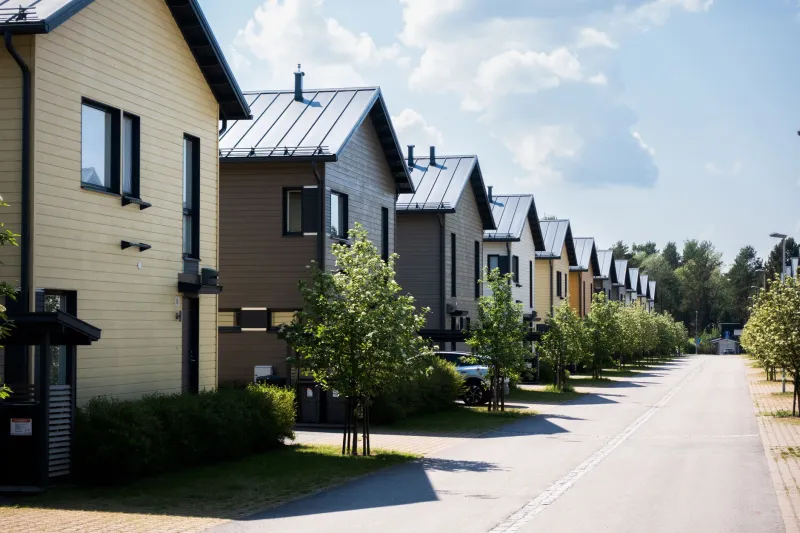
Tampere's residential neighborhoods are dense by American suburban standards, but they don't feel cramped. You get mid-rise apartment buildings surrounded by greenery, neighborhood shops within a short walk, and schools that kids can actually reach on foot or by bike without a parental escort driving a minivan. The density exists in service of something: making it possible for a bus to come every eight minutes instead of every forty.
When frequency is that high, transit stops being something you schedule your life around. It becomes something you just use, the same way you'd use an elevator. You don't plan your day around when the elevator might show up. You walk over and get on.
Bikes as the First and Last Mile
One of the quiet genius moves in Tampere's mobility setup is how cycling infrastructure slots into the transit network rather than competing with it. The city has invested heavily in protected bike lanes that connect residential neighborhoods to tram stops and bus hubs. This isn't incidental—it's load-bearing.
The so-called "last mile problem" haunts American transit planners. You can build a great rail line, but if getting from the station to your actual destination requires a car, you've just created an expensive monument that most people ignore. Tampere's bike network solves this without requiring every commuter to be a hardcore cyclist willing to battle traffic.
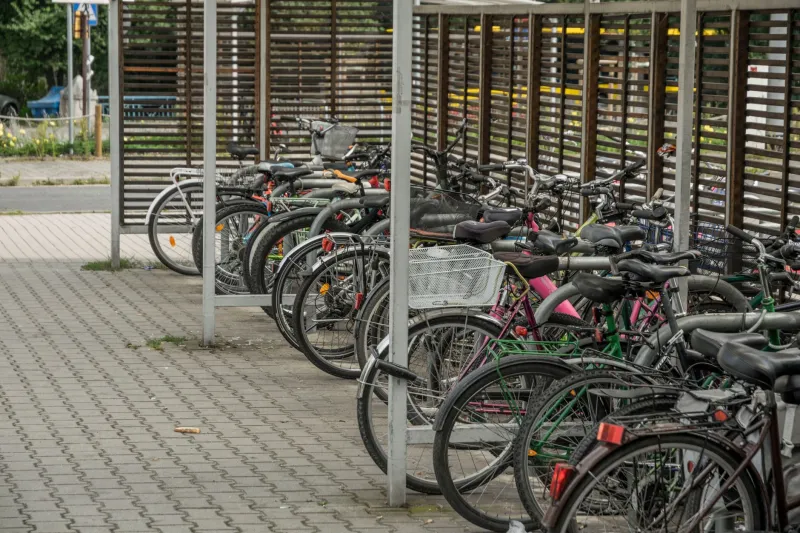
Bike-share stations sit adjacent to major transit stops. Secure bike parking exists at tram platforms. The infrastructure quietly communicates: you don't have to choose between cycling and transit—do both. For US cities still treating bike lanes as a controversial political gesture, this integration feels almost radical.
What 47 Minutes Actually Means
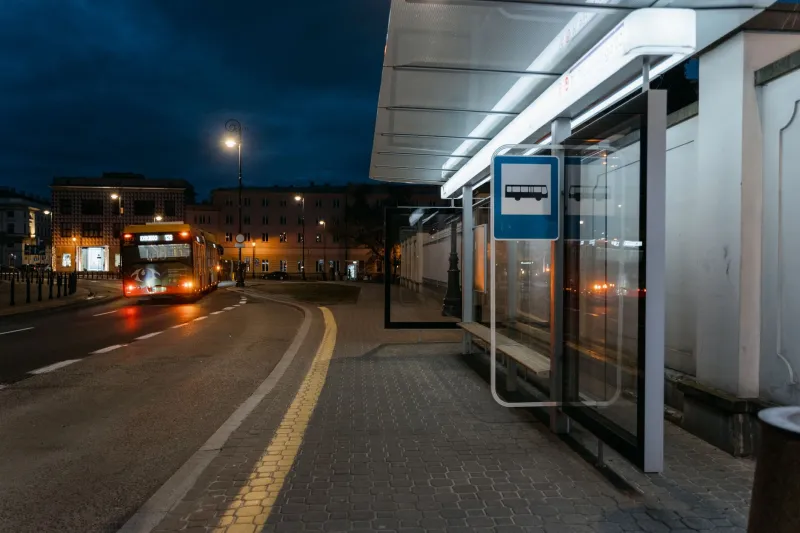
Let's put some flesh on that commute number. A resident living in one of Tampere's outer neighborhoods might walk to a local bus stop in four minutes, ride a feeder bus to a tram connection in twelve, take the tram into the central district in another eighteen, and walk to their office in the remaining time. Door to door, under fifty minutes—and they spent most of it sitting, reading, or staring out a window.
Compare that to a 47-minute American commute, which almost certainly involves solo driving, parking stress, and arriving at work already slightly irritated. The clock time is the same. The experience is not even close.
This matters beyond individual quality of life. Research consistently shows that long, stressful commutes correlate with worse health outcomes, lower productivity, and reduced community engagement. Tampere isn't just saving its residents time—it's giving back something more diffuse and harder to quantify: daily mental bandwidth.
What US Planners Keep Missing
City planners from American metros visit Tampere and often come away impressed but uncertain how to apply what they've seen. The mistake is looking for a single transferable tactic—the tram technology, the bike lanes, the app—rather than recognizing that the whole thing works because of geographic decisions made decades ago.
You can't retrofit walkable density onto a Phoenix or Atlanta suburb without confronting the land use rules that made those places car-dependent in the first place. Zoning reform, parking minimums, setback requirements, single-family-only restrictions—these are the levers that actually determine whether a city can support good transit, and they're the hardest ones to pull politically.
Tampere didn't get here by accident, and it didn't get here quickly. But it also didn't require some impossible political consensus or a once-in-a-generation infrastructure bill. It required treating transit and neighborhood design as the same conversation instead of two separate bureaucratic departments that occasionally email each other.
The Commute as a Reflection of City Values
There's something almost philosophical about how a city's commute patterns reveal its priorities. A place where most people spend an hour alone in a car every day has made certain choices—about land use, about public investment, about whose time is worth protecting.
Tampere has made different choices. The result is a city where getting around doesn't feel like a tax on your existence. Where a 47-minute commute is genuinely, measurably fine. Where the bus isn't a fallback for people who couldn't afford a car—it's just how people move.
For Americans burned out on sprawl and traffic and the creeping suspicion that there has to be a better way: there is. It's just that the better way starts with the neighborhood, not the bus stop.