The Transit Driver Who Remembered My Coffee Order: What Tampere's Human-Scale Transit Gets Right
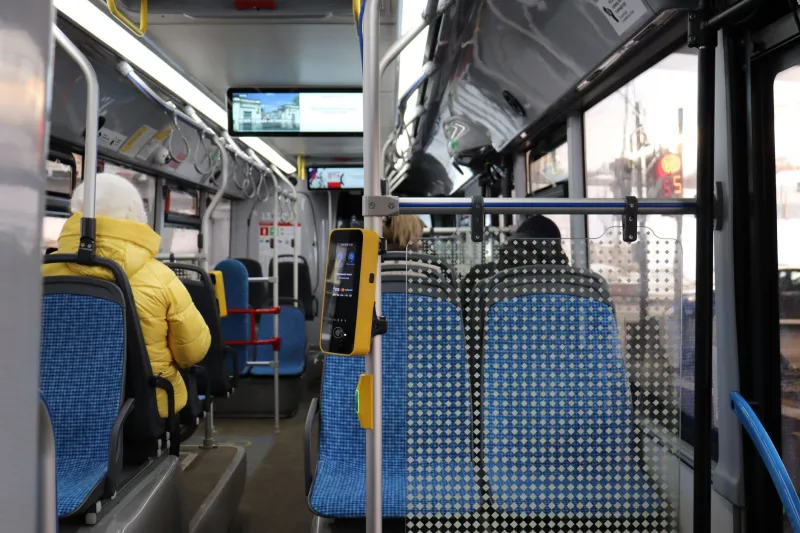
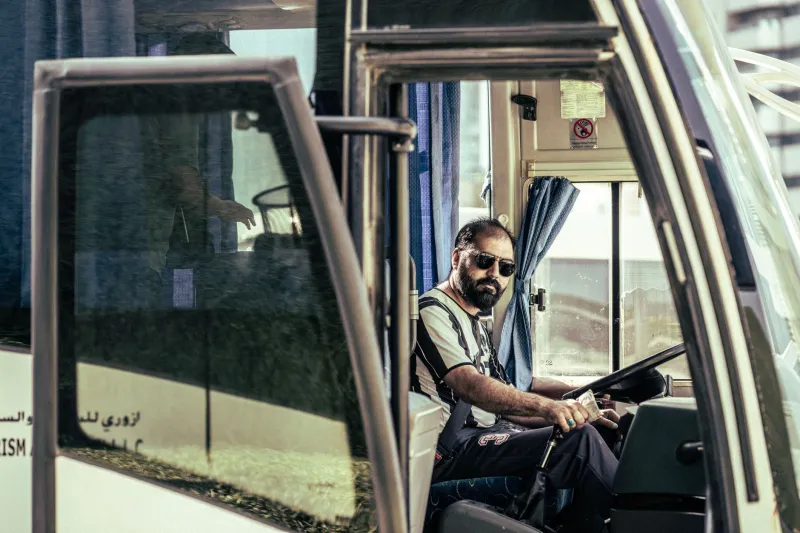
There's a moment that catches most American visitors off guard when they start riding Tampere's buses regularly. Somewhere around the third or fourth trip on the same route, the driver nods at you before you've even tapped your card. Maybe they remember you from Tuesday. Maybe they noticed you always ride to the same stop near Laukontori. Either way, it's a small thing — and yet it feels enormous if you're used to the anonymous churn of a Chicago L train or a Los Angeles Metro bus where nobody makes eye contact and the driver is sealed behind a plexiglass barrier like a bank teller.
This isn't a feel-good quirk. It's a window into something structurally different about how Tampere has built its transit culture — and why that difference matters in ways that go well beyond pleasantries.
Why Size Actually Matters Here
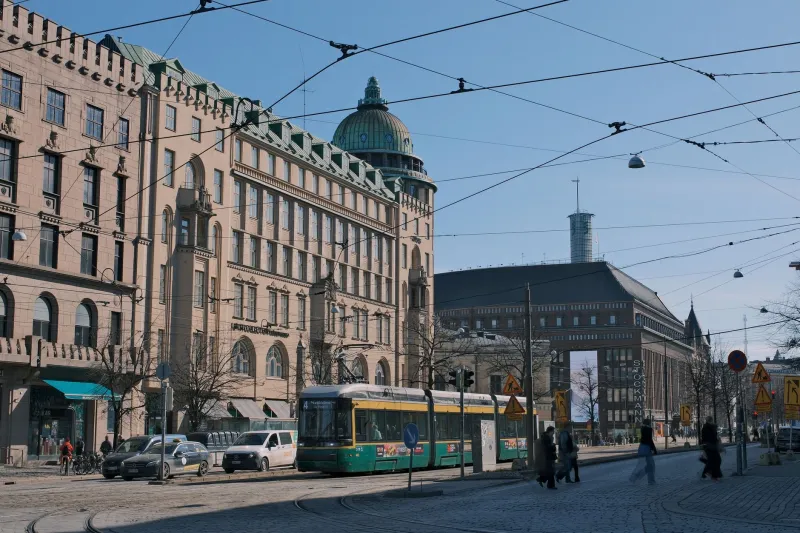
Tampere is Finland's third-largest city, but with a population hovering around 250,000, it's roughly the size of Reno, Nevada, or Madison, Wisconsin. That scale shapes everything. Routes are shorter. Driver rotations on popular lines are more consistent. A driver working the Route 1 tram corridor or a key express bus line might see the same cluster of morning commuters every weekday for months.
In contrast, a bus driver for the MTA in New York City might cover different routes on different days, work across multiple boroughs, and interact with thousands of riders weekly — most of whom are strangers and will remain that way. The system is simply too large for familiarity to take root organically. That's not a criticism of those drivers; it's a structural reality.
Tampere's compactness creates the conditions for something rare in urban transit: routine human recognition. And that recognition turns out to have real, measurable benefits.
Safety, Accountability, and the Power of Being Known
When a driver knows their regulars, they also notice when something seems off. Transit researchers have pointed to the social awareness embedded in smaller systems as a genuine safety feature. A driver who recognizes a passenger who looks distressed, or spots an unfamiliar face behaving erratically near a regular stop, is operating with a layer of contextual knowledge that no algorithm or camera system fully replicates.
In Tampere, this translates to a quieter kind of accountability on both sides. Passengers who feel seen tend to behave better — not because they're being policed, but because social familiarity creates social norms. You're less likely to skip the fare, leave a mess, or hassle another rider when the driver knows your face. And drivers, aware that their regulars are watching, tend to stay professional and attentive in ways that anonymous environments don't always encourage.
American transit systems have poured billions into security cameras, fare enforcement officers, and behavioral monitoring tech. Tampere largely sidesteps that arms race by cultivating something simpler: a community of people who know each other well enough to care.
The Culture Behind the Connection
It would be easy to romanticize this and chalk it up to Finnish social values — and those do play a role. Finland consistently ranks among the world's most trusting societies, and that cultural baseline matters. But the transit system itself reinforces and enables that trust rather than simply inheriting it.
Tampere's transit authority, Nysse, operates with a philosophy of integration. The tram network, bus lines, and regional connections are designed to work together seamlessly, which means riders aren't constantly bouncing between disconnected systems. When your whole commute flows through two or three reliable touchpoints, you naturally develop familiarity with those routes — and the people running them.
Driver training in Finland also emphasizes customer service in a way that some American transit agencies have deprioritized in favor of operational throughput. Tampere's drivers are professionals with solid wages, job stability, and genuine investment in their work. (A previous piece on this site covered how paying transit workers well actually saves money in the long run — the same logic applies here. Respected workers show up differently.)
Can Any of This Scale?
Here's the honest answer: not entirely, and not directly. You cannot make New York City feel like Tampere. The populations, geographies, and transit demands are incomparably different. But the question worth asking isn't whether American megacities can replicate Tampere wholesale — it's whether they can borrow specific elements of this approach in ways that fit their context.
Some US cities are already experimenting. Smaller metros like Salt Lake City, Denver, and Pittsburgh have invested in community-oriented transit programs where drivers on neighborhood routes are encouraged to build familiarity with their corridors. Some bus rapid transit projects have deliberately kept route assignments consistent to allow driver-rider relationships to develop. These are small moves, but they reflect a growing recognition that transit is not just a logistics problem.
There's also a design lesson here. When American cities plan new transit, they often default to thinking about maximum throughput — how many people can we move, how fast. Tampere's example suggests there's equal value in asking: how do we make riders feel like participants rather than cargo? That reframing doesn't require a smaller city. It requires a different set of priorities.
What Regular Riders Actually Say
Talk to daily Tampere commuters and the responses are consistent: they trust the system. Not in a resigned, what-choice-do-I-have way, but in a genuine, I-actually-prefer-this way. Part of that trust is built on reliability and cleanliness — the basics that any transit system should nail. But a meaningful chunk of it comes from feeling like the system is run by people who notice them.
For American visitors used to treating the bus as a last resort, this hits differently. Transit in the US has an image problem that goes beyond infrastructure — it's been culturally coded as the option for people who can't afford anything better. Tampere's transit doesn't carry that stigma, partly because it serves everyone and partly because riding it doesn't feel like being processed through a machine.
That human texture — the nod from the driver, the sense that someone behind the wheel actually gives a damn — is harder to quantify than headway times or fare revenue. But it shows up in ridership numbers, in system trust, and in the quiet, everyday dignity of a commute that doesn't grind you down.
American cities looking to win back car-dependent residents might want to start there.